What Are the Most Famous Landmarks in Egypt
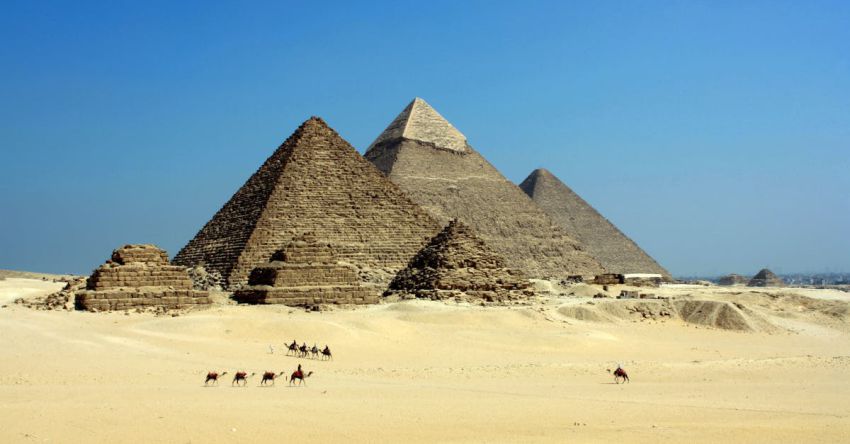
Egypt is a country steeped in history and known for its iconic landmarks that have stood the test of time. From the towering pyramids to the majestic temples, Egypt is a treasure trove of ancient wonders that continue to captivate visitors from around the world.
The Great Pyramid of Giza
One of the most famous landmarks in Egypt is the Great Pyramid of Giza, also known as the Pyramid of Khufu. Built over 4,500 years ago, this colossal structure is the last surviving wonder of the ancient world. Standing at a height of 146.6 meters, the Great Pyramid was the tallest man-made structure in the world for over 3,800 years. Its sheer size and precision engineering continue to baffle historians and archaeologists to this day.
The Sphinx
Adjacent to the Great Pyramid is the enigmatic Sphinx, a mythical creature with the body of a lion and the head of a pharaoh. Carved out of a single piece of limestone, the Sphinx is believed to represent the pharaoh Khafre and is a symbol of strength and wisdom. Standing at 20 meters tall and 73 meters long, the Sphinx is a striking monument that has captured the imagination of people for centuries.
Luxor Temple
Located on the east bank of the Nile River in Luxor, the Luxor Temple is a spectacular example of ancient Egyptian architecture. Built in the 14th century BC, the temple is dedicated to the god Amun and was the center of religious life in ancient Thebes. The temple is renowned for its massive columns, intricate hieroglyphics, and beautifully preserved statues of pharaohs and gods.
Karnak Temple Complex
Just north of Luxor lies the Karnak Temple Complex, one of the largest religious sites in the world. Dedicated to the god Amun, Karnak is a vast complex of temples, chapels, pylons, and obelisks that were built over a period of 2,000 years. The most famous feature of Karnak is the Hypostyle Hall, a massive hall filled with 134 towering columns adorned with intricate carvings and hieroglyphics.
Valley of the Kings
Situated on the west bank of the Nile near Luxor, the Valley of the Kings is a burial ground that was used for pharaohs, queens, and nobles during the New Kingdom period. The valley is home to over 60 tombs, including the famous tomb of Tutankhamun, which was discovered nearly intact in 1922. The elaborate decorations and treasures found within the tombs offer a glimpse into the ancient Egyptian beliefs about the afterlife.
Abu Simbel Temples
Located in southern Egypt near the border with Sudan, the Abu Simbel Temples are two massive rock-cut temples built by Pharaoh Ramesses II in the 13th century BC. The temples are dedicated to the gods Amun, Ra-Horakhty, and Ptah, as well as to Ramesses II himself. The most striking feature of Abu Simbel is the four colossal statues of Ramesses II that guard the entrance to the temples, each standing at a height of over 20 meters.
Nile River
Lastly, the Nile River itself is often considered one of the most iconic landmarks of Egypt. As the lifeblood of the country, the Nile has sustained civilizations for thousands of years and continues to play a vital role in Egypt’s economy and culture. A cruise along the Nile offers a unique perspective on Egypt, allowing visitors to witness the lush greenery of the riverbanks and the timeless beauty of the surrounding temples and monuments.
In conclusion, Egypt is a land of wonders, with its famous landmarks serving as testaments to the ingenuity and creativity of the ancient Egyptians. From the towering pyramids to the majestic temples, each landmark tells a story of a civilization that thrived along the banks of the Nile. Visiting these iconic sites is not just a journey through history but a chance to experience the awe-inspiring legacy of one of the world’s greatest civilizations.