What Are the Key Essentials for Backpacking
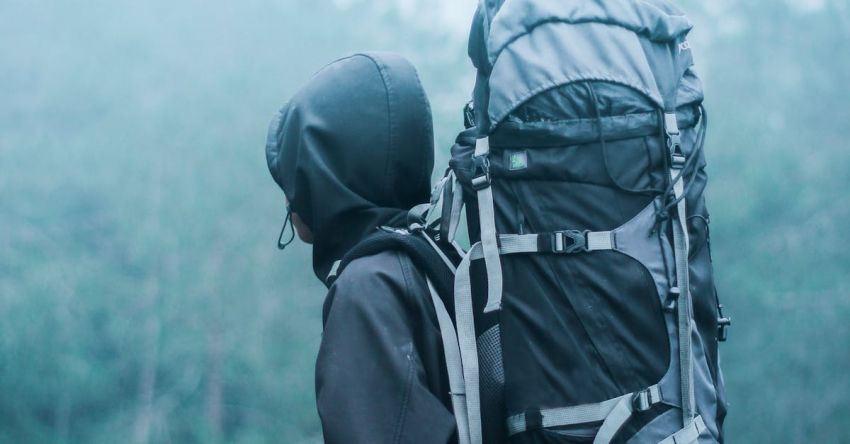
Embarking on a backpacking adventure is a thrilling experience that offers the opportunity to explore the world in a unique and immersive way. Whether you’re a seasoned backpacker or a novice looking to start your journey, there are key essentials that are crucial to ensure a successful and enjoyable trip. From proper gear to essential safety precautions, here are the must-have items and tips for backpacking.
Gear Essentials
When it comes to backpacking, having the right gear can make all the difference in your experience. One of the most important pieces of equipment is, of course, your backpack. Opt for a lightweight, durable backpack that fits comfortably on your back and has enough storage space for all your essentials. Additionally, invest in a good quality tent, sleeping bag, and sleeping pad to ensure a restful night’s sleep in the great outdoors.
Clothing and Footwear
Choosing the right clothing and footwear can make or break your backpacking trip. Dress in layers to accommodate changing weather conditions and opt for moisture-wicking fabrics that will keep you dry and comfortable. A sturdy pair of hiking boots or shoes with good ankle support is essential for tackling various terrains, while quick-drying socks will help prevent blisters and discomfort.
Food and Water
Proper nutrition and hydration are essential when backpacking, as you’ll be expending a significant amount of energy while on the trail. Pack lightweight, high-energy snacks such as trail mix, energy bars, and dried fruits to keep you fueled throughout the day. It’s also important to stay hydrated, so make sure to carry an adequate supply of water or invest in a water filtration system to purify water from natural sources.
Navigation Tools
Getting lost in the wilderness is every backpacker’s nightmare, which is why it’s essential to carry navigation tools such as a map, compass, and GPS device. Familiarize yourself with the area you’ll be exploring and plan your route in advance to avoid any unexpected detours. In addition to navigation tools, consider bringing a whistle or signaling device in case of emergencies.
First Aid Kit
Accidents can happen when backpacking, so it’s crucial to be prepared with a well-stocked first aid kit. Include essentials such as bandages, antiseptic wipes, pain relievers, blister pads, and any personal medications you may need. Familiarize yourself with basic first aid procedures before setting out on your trip to ensure you can handle minor injuries or illnesses.
Safety Precautions
While backpacking is an exhilarating adventure, it’s important to prioritize safety at all times. Inform someone of your itinerary before you leave and check in with them regularly to let them know you’re safe. Be mindful of wildlife in the area and follow proper food storage guidelines to prevent encounters. In case of emergencies, carry a whistle, flashlight, and extra batteries to signal for help if needed.
Leave No Trace
As you venture into the wilderness, remember to practice Leave No Trace principles to minimize your impact on the environment. Pack out all trash, avoid damaging vegetation, and stay on designated trails to preserve the natural beauty of the landscape for future generations to enjoy.
In conclusion, backpacking offers a unique opportunity to immerse yourself in nature and challenge yourself in new and exciting ways. By ensuring you have the key essentials outlined above, you’ll be well-prepared to embark on a safe and enjoyable backpacking adventure. So pack your bags, lace up your boots, and hit the trail for an unforgettable journey into the great outdoors.