What Are the Historical Sites to Visit in Rome
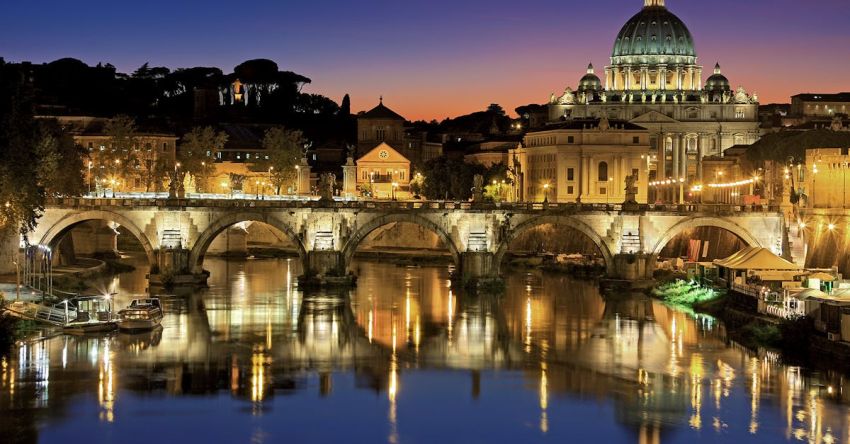
Rome, the eternal city, is a treasure trove of historical sites that offer a glimpse into the rich tapestry of its past. From ancient ruins to grandiose monuments, Rome is a city where every corner holds a piece of history waiting to be discovered. Whether you are a history buff, architecture enthusiast, or simply a curious traveler, exploring the historical sites of Rome is an experience like no other.
The Colosseum: Icon of Ancient Rome
One cannot speak of historical sites in Rome without mentioning the iconic Colosseum. This ancient amphitheater, also known as the Flavian Amphitheatre, is a symbol of the grandeur and power of the Roman Empire. Built in 70-80 AD, the Colosseum was the largest amphitheater of its time and could hold up to 80,000 spectators. It was the site of gladiatorial contests, animal hunts, and other public spectacles, showcasing the Romans’ love for entertainment and grandeur. Today, the Colosseum stands as a testament to Rome’s architectural prowess and is a must-visit for anyone interested in ancient history.
The Pantheon: A Marvel of Roman Engineering
Another must-see historical site in Rome is the Pantheon, a marvel of Roman engineering and one of the best-preserved ancient buildings in the city. Built in 126 AD, the Pantheon was originally a temple dedicated to all the gods of Rome. Its most distinctive feature is the massive dome with a central oculus that allows sunlight to filter into the building. The Pantheon’s design and engineering techniques have inspired architects for centuries, making it a significant landmark in the history of architecture.
The Roman Forum: Center of Ancient Rome
For a deeper dive into the heart of ancient Rome, a visit to the Roman Forum is essential. Once the political, religious, and commercial center of the city, the Roman Forum is a sprawling archaeological site that offers a glimpse into daily life in ancient Rome. Here, you can see the ruins of temples, basilicas, and government buildings that once stood proudly in this bustling hub of activity. Walking through the Roman Forum is like stepping back in time and experiencing the glory of the Roman Empire firsthand.
The Vatican City: Spiritual Center of the Catholic Church
While technically a separate city-state, the Vatican City is an integral part of Rome’s historical and cultural heritage. Home to the Pope and the headquarters of the Catholic Church, the Vatican City is a treasure trove of art, history, and spirituality. Visitors can explore St. Peter’s Basilica, the Sistine Chapel, and the Vatican Museums, which house some of the most important works of art in the world, including Michelangelo’s masterpiece, the ceiling of the Sistine Chapel. A visit to the Vatican City is a truly awe-inspiring experience that should not be missed.
Trevi Fountain: A Baroque Masterpiece
No visit to Rome is complete without tossing a coin into the Trevi Fountain. This stunning Baroque masterpiece is the largest fountain in Rome and one of the most famous fountains in the world. Designed by architect Nicola Salvi and completed in 1762, the Trevi Fountain depicts Neptune, the Roman god of the sea, surrounded by tritons and seahorses. According to legend, throwing a coin into the fountain ensures a return trip to Rome, making it a popular ritual among visitors. The Trevi Fountain is not just a beautiful work of art but also a symbol of good luck and wishes fulfilled.
Exploring the Historical Sites of Rome
Rome’s historical sites offer a glimpse into the city’s rich and storied past, from the grandeur of the Roman Empire to the artistic achievements of the Renaissance. Each site tells a unique story and contributes to the tapestry of Rome’s history and culture. Whether you are exploring the ancient ruins of the Colosseum, marveling at the engineering feat of the Pantheon, or admiring the artistry of the Vatican City, a visit to Rome’s historical sites is a journey through time that will leave you inspired and in awe of the city’s enduring legacy.