What Are the Benefits of Learning a Musical Instrument
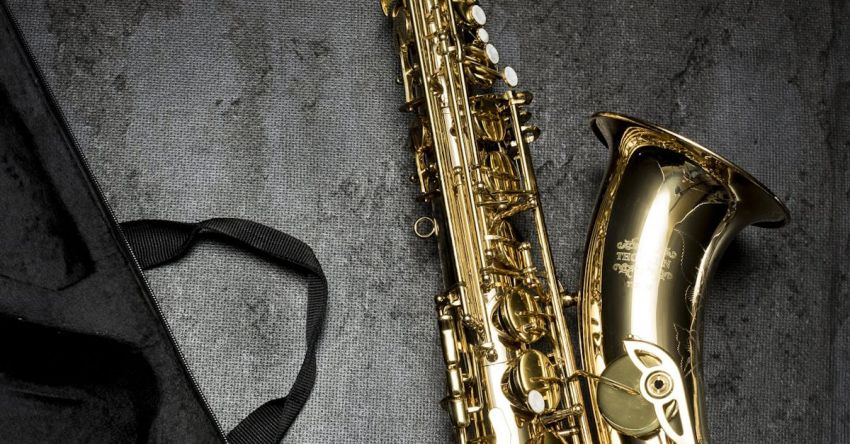
Music has the incredible power to move us, to uplift our spirits, and to create a profound emotional connection. Learning to play a musical instrument is a rewarding and enriching experience that offers numerous benefits, both for children and adults alike. Whether you have always dreamed of mastering the guitar, piano, violin, or any other instrument, the journey of musical learning can bring about positive changes in various aspects of your life. Let’s explore the myriad benefits that come with delving into the world of music.
Enhances Cognitive Skills
Engaging with a musical instrument has been shown to enhance cognitive abilities in individuals of all ages. Playing music requires the brain to process multiple sensory inputs simultaneously, such as reading sheet music, coordinating motor skills, and listening to the sound produced. This multitasking nature of playing an instrument can improve memory, concentration, and problem-solving skills. Research has also suggested that children who learn to play a musical instrument tend to perform better academically, particularly in subjects like math and science.
Boosts Emotional Wellbeing
Music has the power to evoke a wide range of emotions, from joy and excitement to nostalgia and tranquility. When you learn to play a musical instrument, you are not only creating beautiful sounds but also expressing your emotions through music. This act of self-expression can be incredibly cathartic and can serve as a form of emotional release. Whether you are feeling stressed, anxious, or simply need an outlet for your emotions, playing a musical instrument can provide a therapeutic escape and help you connect with your innermost feelings.
Improves Motor Skills
Mastering a musical instrument requires a high level of coordination between your hands, fingers, and sometimes even your feet. Whether you are plucking strings on a guitar, pressing keys on a piano, or bowing a violin, playing an instrument can significantly improve your motor skills and hand-eye coordination. Over time, you will develop greater dexterity, agility, and precision in your movements, which can have positive implications beyond just music-making. Improved motor skills can enhance your performance in other activities, such as sports, dance, or even everyday tasks that require manual dexterity.
Fosters Creativity
Music is a form of art that allows for limitless creativity and self-expression. When you learn to play a musical instrument, you open yourself up to a world of possibilities where you can create your melodies, harmonies, and rhythms. Experimenting with different musical ideas, improvising, and composing your pieces can stimulate your creativity and awaken your imagination. Playing an instrument encourages you to think outside the box, explore new musical genres, and develop your unique musical style. The creative skills honed through musical practice can extend to other areas of your life, fostering innovation, problem-solving, and original thinking.
Builds Discipline and Patience
Learning to play a musical instrument requires dedication, perseverance, and a willingness to practice consistently. Progressing from a beginner to a proficient musician takes time and effort, and there will inevitably be challenges and setbacks along the way. However, by committing to regular practice sessions, setting goals, and overcoming obstacles, you cultivate discipline and patience. These qualities are not only essential for musical growth but are also valuable life skills that can benefit you in your personal and professional endeavors. The journey of learning a musical instrument teaches you the importance of persistence, resilience, and the rewards that come from hard work.
Promotes Social Connection
Music has a unique ability to bring people together and foster social connections. Whether you are playing in a band, orchestra, or simply jamming with friends, making music with others can create a sense of camaraderie and shared purpose. Learning a musical instrument opens up opportunities to collaborate with fellow musicians, perform in front of audiences, and engage in musical communities. These social interactions can boost your confidence, communication skills, and teamwork abilities. Playing music with others can also be a source of joy and fulfillment, as you share in the collective experience of creating something beautiful together.
Conclusion: Embracing the Musical Journey
Learning a musical instrument is a transformative journey that offers a wealth of benefits for personal growth, cognitive development, emotional wellbeing, and social connections. Whether you are a seasoned musician or a novice exploring the world of music for the first time, the act of playing an instrument can enrich your life in profound ways. As you embark on this musical adventure, embrace the challenges, celebrate the successes, and savor the joys that music brings. Let the melodies you create resonate within you and with others, shaping your experiences, nurturing your soul, and enhancing the beauty of the world around you. So pick up that instrument, let the music flow, and embark on a journey of self-discovery, creativity, and endless possibilities.