What Are the Benefits of Aromatherapy
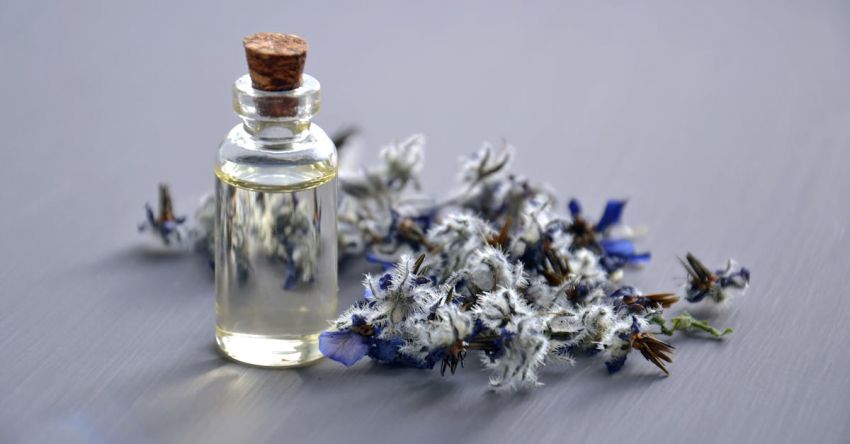
Aromatherapy has been around for centuries and is known for its various benefits on both physical and mental well-being. This holistic healing practice involves using essential oils extracted from plants to promote health and relaxation. Let’s explore the numerous advantages of incorporating aromatherapy into your daily routine.
**Enhances Mood and Reduces Stress**
One of the most well-known benefits of aromatherapy is its ability to improve mood and reduce stress. Essential oils such as lavender, chamomile, and bergamot have calming properties that can help alleviate feelings of anxiety and promote relaxation. Inhaling these fragrances triggers the release of neurotransmitters like serotonin and dopamine, which are known to boost mood and reduce stress levels.
**Improves Sleep Quality**
Many people struggle with insomnia or poor sleep quality, which can have a significant impact on overall health. Aromatherapy can be a natural and effective way to improve sleep patterns. Essential oils like lavender and sandalwood are commonly used to promote relaxation and create a peaceful environment conducive to sleep. Diffusing these oils in the bedroom or adding a few drops to a pillow can help induce a restful night’s sleep.
**Boosts Immunity**
Several essential oils have antimicrobial and immune-boosting properties that can help strengthen the body’s defense against illnesses. Oils like tea tree, eucalyptus, and peppermint have been shown to have antibacterial and antiviral effects, making them ideal for supporting the immune system. Diffusing these oils or using them in a massage oil can help ward off common colds and infections.
**Relieves Pain and Inflammation**
Aromatherapy can also be used as a natural pain relief method for various ailments, including headaches, muscle aches, and arthritis. Essential oils like peppermint, eucalyptus, and rosemary have analgesic and anti-inflammatory properties that can help alleviate pain and reduce inflammation. Massaging these oils onto the affected area or inhaling their vapors can provide relief from discomfort.
**Enhances Cognitive Function**
Certain essential oils are known for their ability to improve cognitive function, memory, and focus. Oils like rosemary, peppermint, and lemon have stimulating properties that can enhance mental clarity and alertness. Inhaling these fragrances or using them in a diffuser during study or work sessions can help boost concentration and productivity.
**Promotes Relaxation and Stress Management**
In today’s fast-paced world, stress has become a common issue that can have negative effects on both physical and mental health. Aromatherapy offers a natural and holistic approach to relaxation and stress management. Essential oils like lavender, frankincense, and ylang-ylang have soothing properties that can help calm the mind and body. Incorporating aromatherapy into a daily self-care routine can promote relaxation and reduce stress levels.
**Supports Respiratory Health**
Aromatherapy can also benefit respiratory health by helping to alleviate symptoms of respiratory conditions like asthma, bronchitis, and congestion. Essential oils such as eucalyptus, peppermint, and tea tree have decongestant and expectorant properties that can help clear the airways and promote easier breathing. Inhaling these oils or using them in a steam inhalation can provide relief from respiratory symptoms.
**Conclusion: Embracing the Power of Aromatherapy**
In conclusion, aromatherapy offers a wide range of benefits for both physical and mental well-being. From enhancing mood and reducing stress to improving sleep quality and boosting immunity, the therapeutic effects of essential oils are truly remarkable. By incorporating aromatherapy into your daily routine, you can experience the transformative power of these natural remedies and improve your overall quality of life.