How to Use Virtual Reality for Education
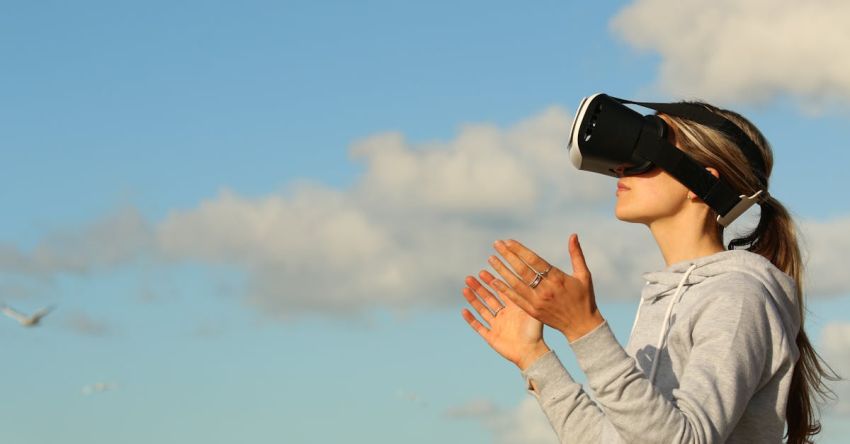
Virtual reality (VR) has revolutionized various industries, and one area where its impact has been particularly significant is education. By immersing students in a digital environment, VR has the potential to transform the way we learn and engage with educational content. From exploring historical sites to conducting complex scientific experiments, the possibilities with VR in education are endless. In this article, we will explore how educators can harness the power of virtual reality to enhance the learning experience for students.
Enhancing Engagement and Immersion
One of the key benefits of using virtual reality in education is its ability to enhance engagement and immersion. Traditional methods of learning often struggle to captivate students’ attention, leading to disinterest and lack of motivation. VR offers a unique solution by providing an interactive and immersive learning experience that captures students’ interest and keeps them engaged.
Through VR simulations, students can explore complex concepts in a hands-on manner, making learning more interactive and enjoyable. For example, instead of reading about the solar system in a textbook, students can put on a VR headset and take a virtual tour of the planets, experiencing the scale and beauty of the universe firsthand. This level of immersion not only makes learning more engaging but also helps students retain information more effectively.
Practical Applications in Various Subjects
Virtual reality can be applied across a wide range of subjects, making it a versatile tool for educators. In science classes, VR simulations can allow students to conduct virtual experiments in a safe and controlled environment, helping them understand scientific concepts more intuitively. Similarly, in history classes, students can virtually visit historical landmarks and events, bringing the past to life in a way that textbooks cannot replicate.
Furthermore, VR can also be used in language learning, where students can practice conversational skills in a simulated environment, improving their fluency and confidence. In art classes, VR can provide a platform for students to create and explore digital artworks, fostering creativity and innovation. The possibilities are truly limitless when it comes to integrating virtual reality into the curriculum.
Accessibility and Inclusivity
Another advantage of using virtual reality in education is its potential to enhance accessibility and inclusivity in the classroom. For students with learning disabilities or physical limitations, traditional educational methods can present barriers to learning. VR technology can help bridge these gaps by providing alternative ways for students to engage with educational content.
For example, students with visual impairments can use VR headsets equipped with audio descriptions to navigate virtual environments and access educational materials. Additionally, students with mobility issues can participate in virtual field trips and hands-on activities that would otherwise be challenging for them. By leveraging the power of virtual reality, educators can create a more inclusive learning environment that caters to the diverse needs of all students.
Integration into the Curriculum
While virtual reality offers immense potential for enhancing the learning experience, its successful integration into the curriculum requires careful planning and implementation. Educators should start by identifying learning objectives and determining how VR can support these goals effectively. Additionally, training teachers on how to use VR technology and creating a supportive infrastructure within schools are essential steps in ensuring its successful adoption.
Furthermore, educators should continuously evaluate the impact of VR on student learning outcomes and adjust their approach accordingly. By incorporating feedback from students and teachers, schools can refine their use of virtual reality to maximize its benefits in the classroom. Ultimately, by embracing virtual reality as a tool for education, schools can unlock new opportunities for engaging students and fostering a love for learning.
Incorporating Virtual Reality for Future Learning
As technology continues to advance, the role of virtual reality in education is expected to grow even further. With the potential to transform the way students learn and interact with educational content, VR offers a powerful tool for educators looking to enhance the learning experience. By embracing virtual reality and exploring its applications across various subjects, schools can create a dynamic and immersive learning environment that prepares students for the challenges of the future.
In conclusion, virtual reality has the potential to revolutionize education by enhancing engagement, facilitating immersive learning experiences, improving accessibility, and promoting inclusivity. By integrating VR technology into the curriculum thoughtfully and strategically, educators can create a dynamic and interactive learning environment that empowers students to explore, learn, and grow. As we look towards the future of education, virtual reality stands out as a powerful tool that has the ability to shape the way we teach and learn for generations to come.