How to Train for a Mountain Trek
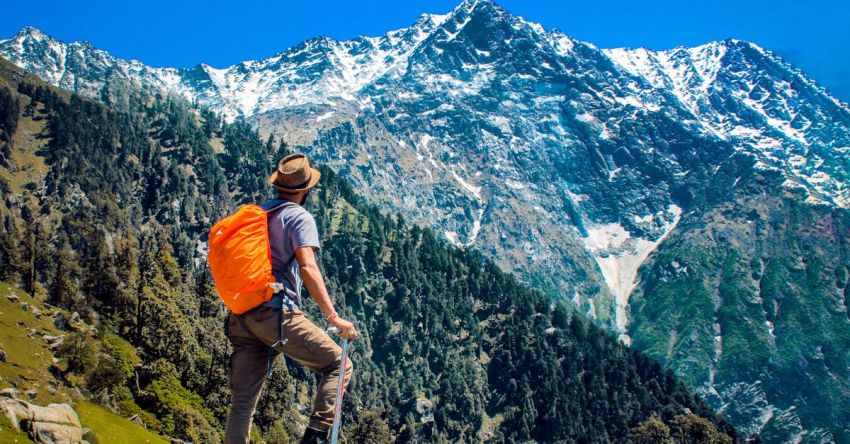
Embarking on a mountain trek is a thrilling and challenging adventure that requires physical preparation and mental readiness. Whether you are a seasoned hiker or new to the world of trekking, proper training is essential to ensure a safe and enjoyable experience on the trails. In this article, we will discuss effective training strategies to help you prepare for a mountain trek.
Setting Realistic Goals
Before starting your training regimen, it is important to set realistic goals based on the difficulty level of the trek you plan to undertake. Consider factors such as altitude, terrain, and distance to tailor your training program to meet the specific demands of the trek. Setting achievable goals will keep you motivated and on track throughout your training journey.
Building Endurance
Endurance is key when it comes to conquering a mountain trek. To build endurance, incorporate cardiovascular activities such as running, cycling, or swimming into your training routine. Start with shorter sessions and gradually increase the duration and intensity of your workouts to improve your stamina over time. Aim to train at least three to four times a week to see significant improvements in your endurance levels.
Strength Training
In addition to cardiovascular exercises, strength training is crucial for preparing your muscles for the demands of a mountain trek. Focus on building strength in your legs, core, and upper body to improve your overall fitness and reduce the risk of injury on the trails. Include exercises such as squats, lunges, planks, and push-ups in your training routine to target different muscle groups and improve your overall strength.
Hiking with a Pack
One of the best ways to simulate the conditions of a mountain trek is to hike with a weighted pack. Start with a lighter load and gradually increase the weight as your strength and endurance improve. Hiking with a pack will help you get used to carrying extra weight and prepare your body for the physical challenges of the trek. Aim to hike on various terrains to mimic the conditions you will encounter during the trek.
Altitude Training
If your mountain trek involves high altitudes, consider incorporating altitude training into your regimen. Altitude training can help your body acclimate to lower oxygen levels and reduce the risk of altitude sickness during the trek. If you do not have access to high-altitude locations, you can use altitude simulation masks or altitude tents to simulate the effects of high altitude training.
Nutrition and Hydration
Proper nutrition and hydration are essential components of your training plan. Fuel your body with a balanced diet rich in carbohydrates, proteins, healthy fats, and vitamins to support your training efforts and promote recovery. Stay hydrated before, during, and after your workouts to maintain optimal performance and prevent dehydration on the trails. Consider consulting a nutritionist to create a personalized meal plan tailored to your training goals.
Rest and Recovery
Rest and recovery are just as important as training when it comes to preparing for a mountain trek. Allow your body time to recover between workouts to prevent overtraining and reduce the risk of injury. Incorporate rest days into your training schedule and prioritize sleep to ensure your body has time to repair and rebuild muscle tissue. Listen to your body and adjust your training intensity as needed to prevent burnout and maximize performance on the trails.
Preparation is Key
By following these training strategies and tips, you can prepare your body and mind for the challenges of a mountain trek. Remember to set realistic goals, build endurance, strength train, hike with a pack, incorporate altitude training, focus on nutrition and hydration, prioritize rest and recovery, and most importantly, enjoy the journey. With dedication and proper preparation, you can conquer any mountain trek that comes your way. Get out there, explore the great outdoors, and embrace the adventure that awaits you on the trails!