How to Explore Caves Safely and Responsibly
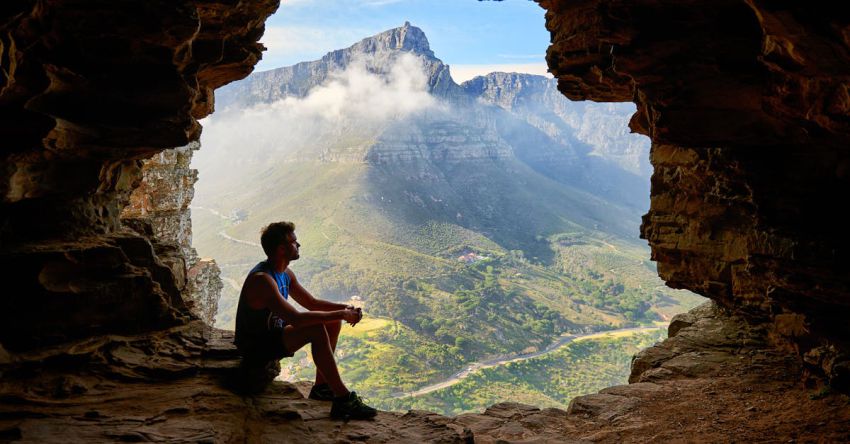
Caves have always captivated human interest with their mysterious allure and hidden wonders waiting to be discovered. Exploring these underground marvels can be an exhilarating experience, but it’s essential to approach them with caution and respect for their delicate ecosystems. In this article, we will delve into the essential tips for safely and responsibly exploring caves to ensure a memorable and enjoyable adventure.
Understanding Cave Environments
Before embarking on a cave exploration journey, it’s crucial to understand that caves are fragile environments that can be easily damaged by human activities. Caves are often home to unique geological formations, rare species, and delicate ecosystems that have evolved over thousands of years. As such, it’s important to enter caves with the mindset of a steward, committed to preserving these natural wonders for future generations to enjoy.
Research and Preparation
One of the key aspects of safe cave exploration is thorough research and preparation. Before heading out to explore a cave, take the time to gather information about the cave’s location, geology, potential hazards, and any regulations that may apply. Understanding the cave’s layout and features will help you navigate safely and make the most of your adventure.
Safety Gear and Equipment
Proper safety gear and equipment are essential for cave exploration. A reliable headlamp or flashlight is a must-have to illuminate your path in the dark cave environment. Sturdy footwear with good traction is necessary to navigate slippery surfaces, uneven terrain, and sharp rocks. Additionally, a helmet can protect your head from low ceilings and falling debris.
Leave No Trace
When exploring caves, it’s crucial to follow the Leave No Trace principles to minimize your impact on the cave environment. Avoid touching or disturbing cave formations, as oils from your skin can disrupt their growth. Refrain from littering or leaving behind any trash, as it can harm cave-dwelling organisms and spoil the pristine beauty of the cave.
Respect Wildlife
Caves are often home to a variety of wildlife, including bats, salamanders, and insects. It’s important to respect these creatures and observe them from a distance without causing them distress. Avoid shining bright lights directly on wildlife, as it can disrupt their natural behaviors. Remember that you are a guest in their home, and it’s your responsibility to minimize your impact on their habitat.
Stay on Designated Paths
To protect cave formations and minimize environmental impact, it’s crucial to stay on designated paths when exploring caves. Venturing off-trail can trample delicate flora, disturb wildlife, and damage geological features. By sticking to established paths, you can enjoy the beauty of the cave while preserving its natural integrity for future visitors.
Emergency Preparedness
Despite taking all necessary precautions, emergencies can still occur while exploring caves. It’s essential to be prepared for unexpected situations by carrying a first aid kit, extra food and water, and a communication device such as a cell phone or two-way radio. Inform someone outside the cave of your itinerary and expected return time in case of an emergency.
Conclusion: Embracing Responsible Cave Exploration
Cave exploration offers a unique opportunity to connect with the natural world and discover hidden wonders beneath the surface. By approaching cave exploration with a mindset of responsibility and respect, we can ensure that these fragile environments remain intact for future generations to enjoy. Remember to research, prepare, and equip yourself properly before entering a cave, and always prioritize safety, conservation, and respect for the cave environment. With these principles in mind, you can embark on a safe and rewarding cave exploration experience while preserving these underground treasures for years to come.