How to Create a Balanced Fitness Plan
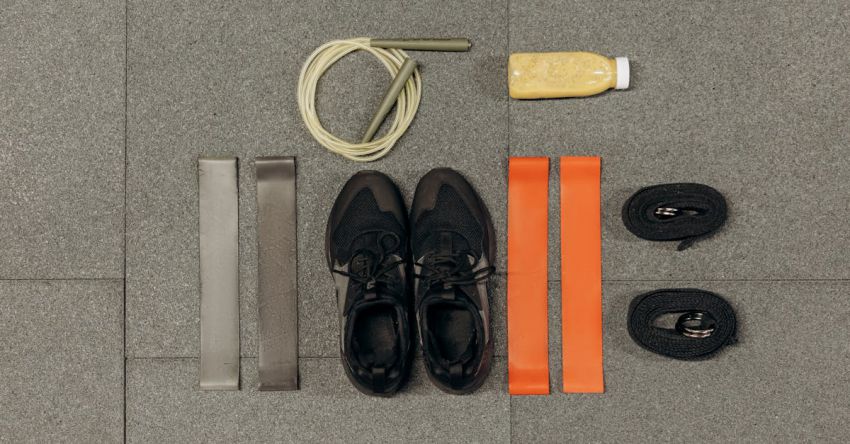
Embarking on a fitness journey can be both exciting and overwhelming. With so many exercise options available, it can be challenging to create a fitness plan that is not only effective but also sustainable in the long run. To achieve optimal results and maintain overall health, it is crucial to develop a balanced fitness plan that includes a variety of exercises targeting different areas of fitness. Here’s how you can create a well-rounded fitness plan that will help you reach your goals and keep you motivated along the way.
Set Clear Goals
Before diving into creating a fitness plan, it’s essential to set clear and realistic goals. Whether your aim is to lose weight, build muscle, improve flexibility, or enhance cardiovascular endurance, defining your objectives will guide you in selecting the right types of exercises to incorporate into your plan. Having specific goals in mind will help you stay focused and motivated throughout your fitness journey.
Incorporate Cardiovascular Exercise
Cardiovascular exercise is crucial for improving heart health, burning calories, and boosting overall endurance. To create a balanced fitness plan, be sure to include a mix of cardio activities such as running, cycling, swimming, or dancing. Aim for at least 150 minutes of moderate-intensity cardio each week or 75 minutes of vigorous-intensity cardio to reap the full benefits of cardiovascular exercise. Mixing up your cardio routine will not only prevent boredom but also challenge your body in different ways.
Strength Training
Strength training is essential for building muscle mass, increasing metabolism, and enhancing overall strength and stability. Incorporate strength training exercises such as weightlifting, bodyweight exercises, or resistance band workouts into your fitness plan at least two to three times per week. Focus on targeting different muscle groups on alternate days to allow for adequate rest and recovery. Gradually increase the intensity and resistance of your strength training exercises as your fitness level improves.
Flexibility and Mobility
Flexibility and mobility exercises are often overlooked but are crucial for preventing injuries, improving posture, and enhancing range of motion. Include stretching, yoga, or Pilates in your fitness plan to promote flexibility and mobility in your muscles and joints. Aim to incorporate flexibility exercises into your routine at least two to three times per week to maintain optimal joint health and prevent muscle imbalances.
Rest and Recovery
Rest and recovery are just as important as exercise when it comes to creating a balanced fitness plan. Allow your body to rest and recover adequately between workouts to prevent burnout and reduce the risk of overtraining. Incorporate rest days into your weekly schedule and listen to your body’s signals to avoid pushing yourself too hard. Getting an adequate amount of sleep, staying hydrated, and fueling your body with nutritious foods are also essential components of rest and recovery.
Stay Consistent
Consistency is key when it comes to achieving your fitness goals. Create a realistic fitness plan that fits into your schedule and lifestyle, making it easier to stick to in the long term. Set aside dedicated time for exercise each day and treat it as a non-negotiable part of your routine. Find activities that you enjoy and that bring you satisfaction, making it more likely that you will stay committed to your fitness plan over time.
Find Support and Accountability
Building a support system and being held accountable can significantly impact your success in sticking to a balanced fitness plan. Consider working out with a friend, joining a fitness class, or hiring a personal trainer to help keep you motivated and on track. Sharing your progress and setbacks with others can provide encouragement and guidance when faced with challenges along the way.
Conclusion: Achieving Balance in Your Fitness Plan
Creating a balanced fitness plan requires careful consideration of various factors, including setting clear goals, incorporating a mix of cardiovascular, strength, flexibility, and mobility exercises, prioritizing rest and recovery, staying consistent, and seeking support and accountability. By taking a holistic approach to fitness and addressing all aspects of physical health, you can create a sustainable and effective plan that will help you reach your fitness goals and maintain a healthy lifestyle in the long term. Remember that balance is key, and listening to your body’s needs and adjusting your plan as necessary will ultimately lead to success in your fitness journey.