How Did the Renaissance Shape European Art
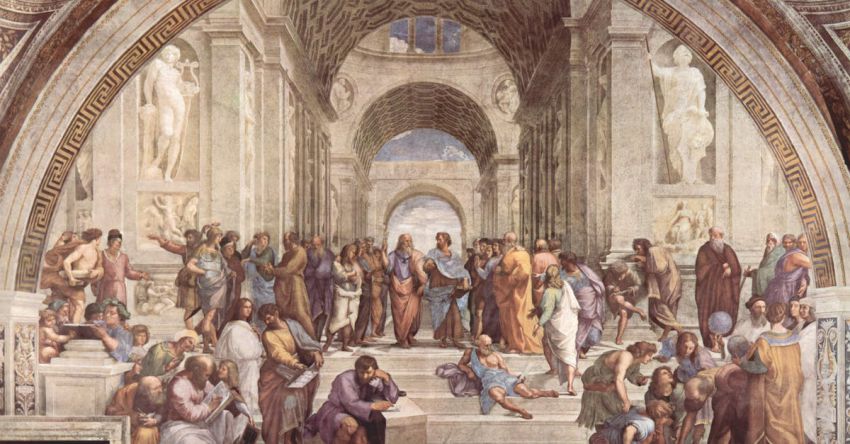
The Renaissance, a period of cultural rebirth that spanned from the 14th to the 17th century in Europe, had a profound impact on the development of art. This era marked a significant departure from the medieval artistic traditions, ushering in a new wave of creativity, innovation, and humanism. Through the revival of classical ideals, patronage of wealthy families, and advancements in techniques, the Renaissance shaped European art in ways that continue to influence artistic expression to this day.
Revival of Classical Ideals
One of the defining characteristics of the Renaissance was the revival of classical ideals from ancient Greece and Rome. Artists during this period looked to the art and literature of the past for inspiration, seeking to emulate the beauty, harmony, and proportion found in classical works. This renewed interest in the classical world led to a shift in artistic style, as artists began to incorporate elements such as realistic human forms, perspective, and the use of light and shadow into their works.
The Italian artist Leonardo da Vinci, known for his iconic paintings such as the Mona Lisa and The Last Supper, exemplified the Renaissance fascination with classical ideals. Da Vinci’s meticulous attention to detail, anatomical accuracy, and mastery of chiaroscuro (the use of light and shadow) set a new standard for artistic realism. His works captured the essence of the human experience, reflecting the humanist philosophy that was central to the Renaissance ethos.
Patronage of Wealthy Families
Another key factor that shaped European art during the Renaissance was the patronage of wealthy families, such as the Medici in Florence and the Sforza in Milan. These patrons provided financial support and artistic commissions to painters, sculptors, and architects, allowing them the freedom to create masterpieces that would not have been possible otherwise. The Medici family, in particular, played a crucial role in the development of art during the Renaissance, fostering the talents of artists like Michelangelo and Botticelli.
The patronage system of the Renaissance enabled artists to experiment with new techniques, materials, and subject matter, leading to a flourishing of artistic creativity. Artists were no longer bound by the constraints of religious themes or royal commissions, but were free to explore their own artistic visions and interpretations of the world around them. This newfound artistic freedom gave rise to a diverse range of styles and genres, from the serene beauty of Botticelli’s Birth of Venus to the dynamic energy of Michelangelo’s David.
Advancements in Techniques
In addition to the revival of classical ideals and patronage of wealthy families, advancements in artistic techniques played a crucial role in shaping European art during the Renaissance. Artists during this period made significant strides in the fields of painting, sculpture, and architecture, developing new methods and tools that revolutionized the way art was created and perceived.
One of the most important technical innovations of the Renaissance was the development of linear perspective, a mathematical system that allowed artists to create the illusion of depth and space on a two-dimensional surface. Artists like Brunelleschi and Masaccio pioneered the use of linear perspective in painting, transforming flat images into immersive, lifelike scenes that drew viewers into the artwork itself. This newfound sense of spatial realism revolutionized the way art was experienced, setting the stage for future artistic developments in the centuries to come.
The Legacy of the Renaissance
The legacy of the Renaissance continues to shape European art to this day, with its emphasis on realism, humanism, and artistic innovation serving as a foundation for modern artistic expression. The revival of classical ideals, patronage of wealthy families, and advancements in techniques that characterized the Renaissance laid the groundwork for the development of new artistic movements and styles in the centuries that followed. From the Baroque extravagance of the 17th century to the avant-garde experiments of the 20th century, the influence of the Renaissance can be seen in the diverse and dynamic art world of today.