How to Understand Abstract Art
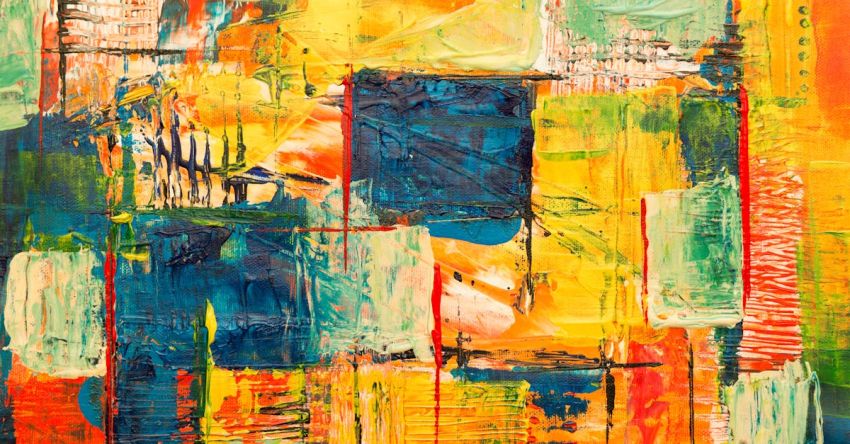
Abstract art has the power to evoke strong emotions and spark contemplation in viewers. However, for many people, understanding abstract art can be a daunting task. The lack of recognizable subject matter and the seemingly random shapes and colors can leave some feeling perplexed. But fear not, navigating the world of abstract art is not as intimidating as it may seem. By following a few simple guidelines, you can begin to appreciate and interpret abstract art with confidence.
Appreciating the Emotional Impact
Abstract art often aims to convey emotions and ideas rather than depict concrete objects or scenes. When viewing an abstract artwork, take a moment to observe how it makes you feel. Do you sense joy, sadness, confusion, or tranquility? Pay attention to your emotional response, as it can provide valuable insight into the artist’s intentions. Abstract art invites viewers to tap into their own emotions and interpretations, offering a deeply personal and subjective experience.
Embracing Ambiguity and Interpretation
One of the key aspects of abstract art is its ambiguity. Unlike representational art, abstract works do not have a clear narrative or message. Instead, they leave room for interpretation and multiple layers of meaning. When faced with an abstract artwork, embrace the ambiguity and allow yourself to explore different interpretations. Consider the shapes, colors, lines, and textures in the piece and how they interact with one another. Let your imagination roam freely and create your own narrative based on what you see and feel.
Exploring Composition and Technique
While abstract art may appear spontaneous and chaotic, it is often carefully planned and executed. Pay attention to the composition and techniques used by the artist to create the artwork. Notice the balance of shapes, the use of color contrasts, and the texture of the surface. Look for recurring patterns or motifs that may provide clues to the artist’s style and intentions. By closely examining the formal elements of the artwork, you can gain a deeper appreciation for the artist’s skill and creativity.
Considering Context and Artistic Intentions
To fully understand abstract art, it is essential to consider the context in which the artwork was created. Research the artist’s background, influences, and artistic intentions to gain a better understanding of the piece. By learning about the artist’s motivations and the historical or cultural context in which the artwork was produced, you can uncover layers of meaning that may not be immediately apparent. Context plays a crucial role in interpreting abstract art and can provide valuable insights into the artist’s creative process.
Engaging in Dialogue and Exploration
Understanding abstract art is an ongoing process that involves engaging in dialogue with the artwork and exploring new perspectives. Visit art galleries, museums, and exhibitions to expose yourself to a variety of abstract artworks and styles. Take the time to discuss and exchange ideas with others who share your interest in abstract art. By engaging in dialogue and exploration, you can broaden your understanding of abstract art and develop a more nuanced appreciation for its complexities.
Embracing Personal Interpretation
In the world of abstract art, there are no right or wrong answers. Each viewer brings their own unique experiences, emotions, and perspectives to the artwork, shaping their interpretation. Embrace the freedom to interpret abstract art in your own way and trust your instincts. Allow yourself to connect with the artwork on a personal level and let your imagination guide you. Abstract art is a journey of self-discovery and introspection, offering endless possibilities for interpretation and reflection.
Embracing the Beauty of Ambiguity
Abstract art invites us to embrace ambiguity, challenging us to look beyond the surface and explore the depths of our own emotions and perceptions. By approaching abstract art with an open mind and a willingness to engage with the artwork on a personal level, we can unlock its beauty and meaning. Remember, there is no right or wrong way to understand abstract art. Trust your instincts, follow your curiosity, and allow yourself to be captivated by the enigmatic allure of abstract art.