How to Set up a Smart Home System
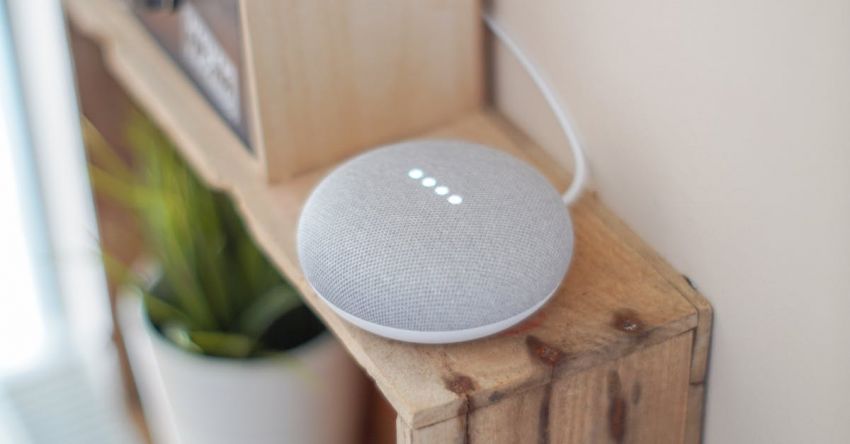
Transforming your living space into a smart home can significantly enhance your lifestyle by providing convenience, security, and energy efficiency. Setting up a smart home system may seem like a daunting task at first, but with the right approach and guidance, it can be a seamless process. From smart lighting to connected appliances, there are numerous options available to create a personalized smart home experience tailored to your needs and preferences.
Choosing the Right Smart Devices
The first step in setting up a smart home system is to determine which smart devices you want to incorporate into your home. Start by identifying areas where automation can make a difference, such as lighting, security, entertainment, and climate control. Consider devices that can be integrated into a central smart home hub for seamless control and monitoring.
Smart Lighting Solutions
One of the most popular and practical smart home upgrades is smart lighting. With smart light bulbs and switches, you can remotely control your home’s lighting, set schedules, and adjust brightness to create the perfect ambiance for any occasion. Smart lighting systems can also help you save energy by automatically turning off lights when not in use.
Enhancing Home Security
A smart home system can enhance your home security by providing real-time monitoring and alerts. Install smart security cameras, doorbell cameras, and smart locks to keep an eye on your property and control access from anywhere using your smartphone. Integrating these devices with a security system can provide added peace of mind and protection for your home.
Creating a Smart Entertainment Hub
Transform your living room into a smart entertainment hub with devices like smart TVs, streaming media players, and smart speakers. Stream your favorite movies and music, control your entertainment system with voice commands, and create a cinematic experience right in your own home. Integrating entertainment devices with a smart home system allows you to control them all from a single interface.
Managing Climate Control
Smart thermostats offer precise control over your home’s heating and cooling systems, allowing you to create custom schedules and adjust temperature settings remotely. By optimizing your home’s climate control, you can increase comfort, save energy, and reduce utility costs. Some smart thermostats also offer features like geofencing and learning algorithms to further enhance efficiency.
Setting Up a Central Hub
To streamline the management of your smart home devices, consider investing in a central hub or smart home controller. These devices act as a command center for your smart home system, allowing you to control all your connected devices from a single app or interface. Look for hubs that are compatible with a wide range of smart devices and offer features like voice control and automation.
Personalizing Automation and Control
Customize your smart home system to suit your lifestyle by setting up automation routines and personalized controls. Create scenes that adjust multiple devices at once, such as turning off lights, locking doors, and setting the thermostat to a specific temperature when you leave the house. Use voice commands or smartphone apps to control your smart home devices effortlessly.
Optimizing Energy Efficiency
In addition to convenience and security, a smart home system can help you reduce your energy consumption and environmental impact. Monitor your energy usage, set energy-saving schedules, and receive alerts for abnormal usage patterns to make informed decisions about your energy consumption. By optimizing your home’s energy efficiency, you can lower your utility bills and contribute to a greener planet.
Embracing the Future of Home Automation
As technology continues to advance, the possibilities for smart home systems are constantly evolving. Keep an eye on new smart devices and features that can further enhance your smart home experience. Whether it’s integrating voice assistants, upgrading to smart appliances, or exploring new home automation trends, staying informed about the latest innovations will ensure that your smart home system remains cutting-edge and efficient.
In conclusion, setting up a smart home system requires careful planning, consideration of your needs, and the right selection of smart devices. By choosing the right devices, creating a centralized hub, personalizing automation, and optimizing energy efficiency, you can transform your living space into a modern, convenient, and secure smart home. Embrace the future of home automation and enjoy the benefits of a connected lifestyle tailored to your preferences.