How to Participate in the Running of the Bulls in Spain
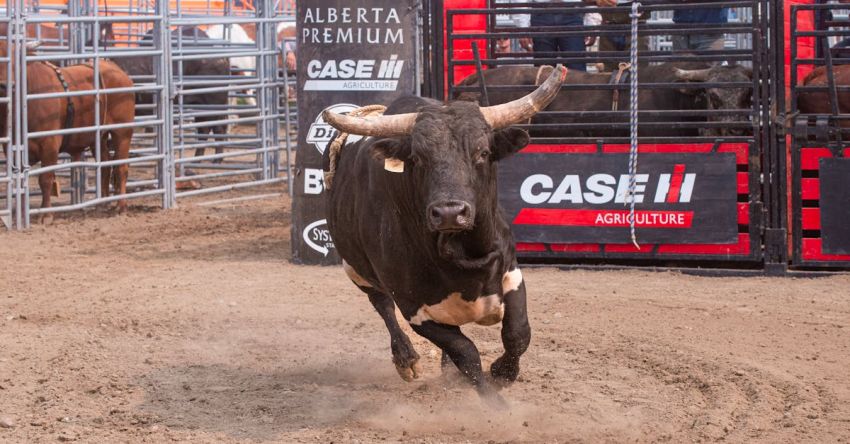
Every year, thrill-seekers from around the world flock to Pamplona, Spain, to participate in the famous Running of the Bulls festival, known locally as San Fermín. This exhilarating event, which takes place from July 6th to July 14th, offers participants a chance to test their bravery as they sprint through the narrow streets of Pamplona alongside six massive bulls. If you’re considering joining the adrenaline-fueled spectacle, here’s a guide on how to participate in the Running of the Bulls in Spain.
Understanding the Tradition
The Running of the Bulls is deeply rooted in Spanish culture and tradition, dating back to the 14th century. The event is held in honor of San Fermín, the patron saint of Pamplona, and is part of a larger festival that includes music, dancing, and religious ceremonies. The actual running takes place each morning at 8:00 am and lasts for just a few minutes as participants dash from the corral to the bullring, covering a distance of approximately 825 meters.
Registration and Requirements
To participate in the Running of the Bulls, you must be at least 18 years old, in good physical condition, and sober during the event. While there is no formal registration process, it’s essential to familiarize yourself with the rules and guidelines set forth by the local authorities to ensure a safe and enjoyable experience. It’s also recommended to attend an orientation session before the run to learn about the route, safety tips, and what to do in case of an emergency.
Choosing Your Attire
One of the most iconic aspects of the Running of the Bulls is the traditional attire worn by participants. The typical outfit consists of a white shirt and pants, a red scarf tied around the neck, and a red sash worn around the waist. These colors hold symbolic significance, with white representing purity and red symbolizing the blood of San Fermín. Wearing the traditional attire not only pays homage to the festival’s history but also helps runners stand out amidst the chaos of the event.
Preparing Mentally and Physically
Participating in the Running of the Bulls requires both mental fortitude and physical preparedness. It’s crucial to understand the risks involved and to mentally steel yourself for the adrenaline-fueled rush of running alongside massive bulls. Additionally, engaging in regular cardio and strength training exercises can help improve your endurance and agility, increasing your chances of safely navigating the crowded streets of Pamplona during the run.
Navigating the Route
On the morning of the run, make your way to the starting point well in advance to secure a good position. The route is divided into sections, with different levels of difficulty based on the speed and aggressiveness of the bulls. Beginners are advised to choose a less challenging section closer to the bullring, while experienced runners may opt for a more intense experience near the corral. Remember to stay alert, follow the instructions of the local marshals, and be prepared to react quickly to changing circumstances during the run.
Celebrating After the Run
After completing the exhilarating run, take the time to celebrate and soak in the festive atmosphere of San Fermín. Join fellow participants in traditional dances, music performances, and culinary delights as you reflect on your experience. It’s also customary to attend the bullfights held at the Pamplona bullring in the evenings, where you can witness skilled matadors facing off against fierce bulls in a display of bravery and artistry.
In Conclusion
Participating in the Running of the Bulls in Spain is a once-in-a-lifetime experience that combines tradition, adrenaline, and cultural immersion. By understanding the history of the event, preparing physically and mentally, and respecting the rules and guidelines set forth by the organizers, you can safely and responsibly take part in this iconic festival. So, don your white and red attire, brace yourself for the thrill of a lifetime, and join the ranks of brave souls who have tested their mettle in the streets of Pamplona.