What Are the Key Elements of Italian Cuisine
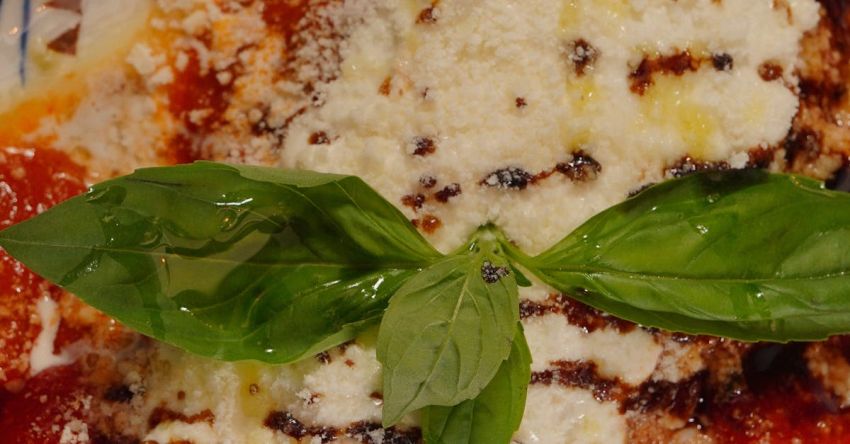
Italian cuisine is renowned worldwide for its delicious flavors, fresh ingredients, and rich culinary history. The key elements of Italian cuisine are deeply rooted in tradition, simplicity, and quality. From pasta dishes to pizza, Italian food is loved by many for its diversity and authenticity. Let’s explore the essential components that make Italian cuisine so unique and beloved.
Regional Diversity
Italian cuisine is incredibly diverse, with each region of Italy boasting its own unique culinary traditions and specialties. From the hearty dishes of the north to the seafood-rich cuisine of the south, Italian food varies greatly depending on where you are in the country. The regional diversity of Italian cuisine is a reflection of Italy’s rich history and varied landscapes, with each region drawing on local ingredients and cooking techniques to create distinctive dishes.
Fresh and Quality Ingredients
One of the defining characteristics of Italian cuisine is the emphasis on using fresh, high-quality ingredients. Italian chefs take great pride in sourcing the best produce, meats, and cheeses to create dishes that are bursting with flavor. From ripe tomatoes and fragrant basil to creamy mozzarella and rich olive oil, Italian cuisine relies on simple yet top-notch ingredients to elevate each dish.
Olive Oil and Herbs
Olive oil is a staple in Italian cooking and is used in everything from salad dressings to sautéing vegetables. The quality of olive oil can significantly impact the flavor of a dish, making it an essential ingredient in Italian cuisine. Additionally, Italian dishes are often seasoned with a variety of fresh herbs such as basil, oregano, and rosemary, adding depth and complexity to the flavors.
Pasta and Risotto
Pasta is a cornerstone of Italian cuisine, with hundreds of shapes and varieties to choose from. Whether it’s spaghetti with meatballs, fettuccine alfredo, or lasagna, pasta dishes are a beloved part of Italian food culture. Another popular Italian staple is risotto, a creamy and comforting rice dish that can be flavored in countless ways, from mushroom to saffron.
Cheese and Wine
Italy is known for its exceptional cheeses, from the tangy Parmigiano-Reggiano to the creamy gorgonzola. Cheese plays a crucial role in many Italian dishes, adding richness and depth of flavor. Pairing cheese with wine is a quintessential Italian dining experience, with each region producing its own unique varieties of wine to complement local dishes.
Dolci and Espresso
No Italian meal is complete without a sweet treat to finish it off. Italian desserts, or dolci, range from light and fruity to decadent and chocolatey. Tiramisu, cannoli, and panna cotta are just a few examples of the delicious desserts that Italy has to offer. And of course, no Italian meal is complete without a shot of espresso to round off the dining experience.
In summary, Italian cuisine is a celebration of fresh ingredients, regional diversity, and time-honored traditions. Whether you’re enjoying a simple plate of pasta or a multi-course feast, Italian food is all about savoring the flavors and sharing a meal with loved ones. The key elements of Italian cuisine come together to create a culinary experience that is both comforting and unforgettable, making it a favorite around the world.