How to Understand the Tea Ceremony in Japan
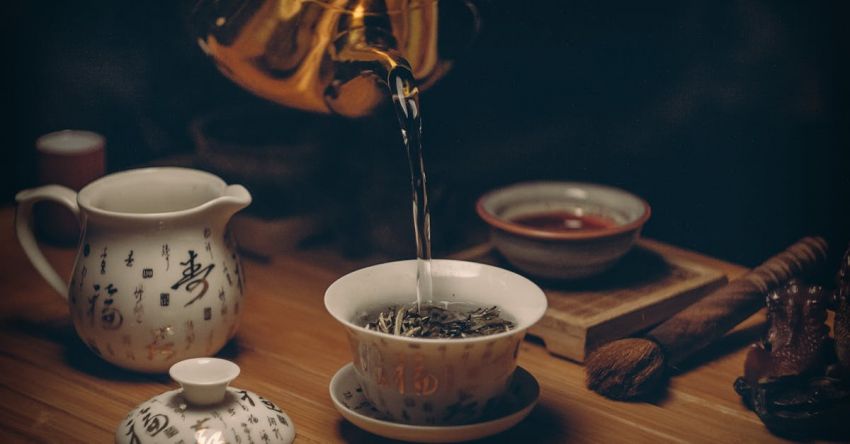
The Art of the Japanese Tea Ceremony
The Japanese tea ceremony, also known as chanoyu or chado, is a traditional ritual rooted in Zen Buddhism that emphasizes mindfulness, tranquility, and the appreciation of simplicity. Dating back to the 9th century, the tea ceremony has evolved into a highly respected art form in Japan, with intricate rituals and etiquette that symbolize harmony, respect, purity, and tranquility. Understanding the essence of the tea ceremony can provide valuable insights into Japanese culture and aesthetics.
Origins and Philosophy
The origins of the Japanese tea ceremony can be traced back to the Chinese Tang dynasty, where tea drinking was introduced to Japan by Buddhist monks as a means of promoting meditation and mindfulness. Over the centuries, the tea ceremony evolved into a formal ritual that reflected the principles of Zen Buddhism, emphasizing harmony, respect, purity, and tranquility. The tea ceremony is not merely about drinking tea but rather a holistic experience that encompasses aesthetics, etiquette, and spirituality.
Key Elements of the Tea Ceremony
The Japanese tea ceremony typically takes place in a tea room known as a chashitsu, which is designed to create a serene and harmonious atmosphere. The host, known as the “teishu,” carefully prepares and serves the tea to the guests, following a set of precise rituals and gestures. Each movement in the tea ceremony is deliberate and meaningful, from the way the tea is whisked to the placement of the utensils.
The tea used in the ceremony is powdered green tea known as matcha, which is prepared by whisking hot water with the tea powder until a frothy consistency is achieved. The preparation of the tea is considered an art form in itself, with attention to detail and precision being key aspects of the process. The act of serving and receiving the tea is a symbol of hospitality and respect, creating a moment of connection between the host and guests.
Etiquette and Rituals
Etiquette plays a crucial role in the Japanese tea ceremony, with specific rules governing every aspect of the ritual. Guests are expected to observe proper behavior, such as bowing to the host and other guests, admiring the utensils, and drinking the tea in three sips. Silence is also a fundamental aspect of the tea ceremony, allowing participants to focus on the present moment and appreciate the beauty of the surroundings.
The tea ceremony is a highly choreographed ritual that follows a specific sequence of movements and gestures. From the way the tea utensils are placed to the order in which the tea is served, every detail is carefully planned to create a sense of harmony and balance. The meticulous attention to detail in the tea ceremony reflects the Japanese aesthetic of wabi-sabi, which values imperfection, impermanence, and simplicity.
Appreciating the Beauty of Imperfection
One of the key principles of the Japanese tea ceremony is the concept of wabi-sabi, which celebrates the beauty of imperfection and impermanence. Wabi-sabi emphasizes the value of simplicity, humility, and authenticity, encouraging individuals to find beauty in the natural flaws and irregularities of objects. In the context of the tea ceremony, wabi-sabi is reflected in the rustic simplicity of the tea utensils, the asymmetry of the tea bowls, and the ephemeral nature of the ritual itself.
While the Japanese tea ceremony may seem complex and esoteric to outsiders, its underlying philosophy of mindfulness, harmony, and simplicity holds universal appeal. By immersing oneself in the rituals and aesthetics of the tea ceremony, one can gain a deeper understanding of Japanese culture and aesthetics. The tea ceremony serves as a reminder to slow down, appreciate the present moment, and find beauty in the simple things in life.