What Are the Traditions of the Maasai People
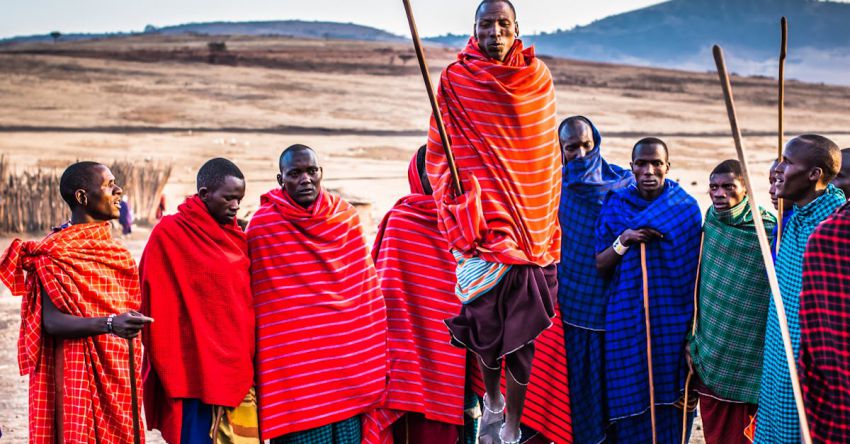
The Maasai people, a semi-nomadic tribe residing primarily in Kenya and Tanzania, are renowned for their rich cultural heritage and distinctive way of life. Central to Maasai society are their unique traditions, which have been passed down through generations and continue to shape the community’s identity. From their vibrant attire to their intricate rituals, the Maasai traditions offer a fascinating glimpse into a world steeped in history and tradition.
**The Maasai Way of Life**
At the heart of Maasai culture is a deep connection to the land and livestock that sustains their livelihood. Traditionally, the Maasai are pastoralists, relying on cattle, sheep, and goats for food, income, and social status. Livestock plays a crucial role in Maasai society, symbolizing wealth and prosperity. The Maasai are skilled herders, and the well-being of their animals is of utmost importance.
**Distinctive Dress and Adornments**
One of the most recognizable aspects of Maasai culture is their vibrant attire and elaborate adornments. The Maasai are known for their colorful shukas, traditional robes worn by both men and women. These shukas are often adorned with intricate beadwork and jewelry, reflecting the Maasai’s artistic skill and attention to detail. Beadwork holds special significance in Maasai culture, with different colors and patterns conveying specific messages and meanings.
**Rites of Passage**
Rites of passage play a significant role in Maasai culture, marking important transitions in an individual’s life. One of the most well-known rituals is the circumcision ceremony, which symbolizes the transition from boyhood to manhood. This ceremony is a time of celebration and community bonding, with elaborate ceremonies and feasting taking place to mark the occasion. For Maasai women, initiation into adulthood is marked by the eunoto ceremony, where young women undergo rituals to prepare them for their roles as wives and mothers.
**Warriorhood and Leadership**
Central to Maasai society is the institution of warriorhood, where young men undergo rigorous training to become warriors, tasked with protecting their community and livestock. Warriors play a vital role in Maasai society, not only as defenders but also as symbols of strength and courage. Leadership in Maasai communities is often based on age and wisdom, with elders holding significant influence and decision-making power.
**Cultural Preservation and Challenges**
In recent years, the Maasai way of life has faced increasing pressures from modernization, environmental degradation, and land disputes. The encroachment of urban development and conservation efforts has threatened the Maasai’s traditional way of life, leading to challenges in preserving their cultural heritage. Despite these challenges, the Maasai people continue to uphold their traditions and customs, finding ways to adapt to a changing world while maintaining their cultural identity.
**Embracing the Future**
As the Maasai people navigate the challenges of the modern world, there is a growing recognition of the importance of preserving their cultural traditions for future generations. Efforts are being made to document and safeguard Maasai heritage, ensuring that their unique customs and way of life are not lost to history. By embracing both tradition and adaptation, the Maasai people continue to thrive, keeping their vibrant culture alive in a rapidly changing world.
In conclusion, the traditions of the Maasai people offer a window into a world steeped in history, resilience, and cultural richness. From their distinctive attire to their intricate rituals, the Maasai traditions reflect a deep connection to the land, livestock, and community that define their way of life. As the Maasai navigate the challenges of the modern world, their commitment to preserving their cultural heritage ensures that their traditions will endure for generations to come.