What Are the Unique Customs in India
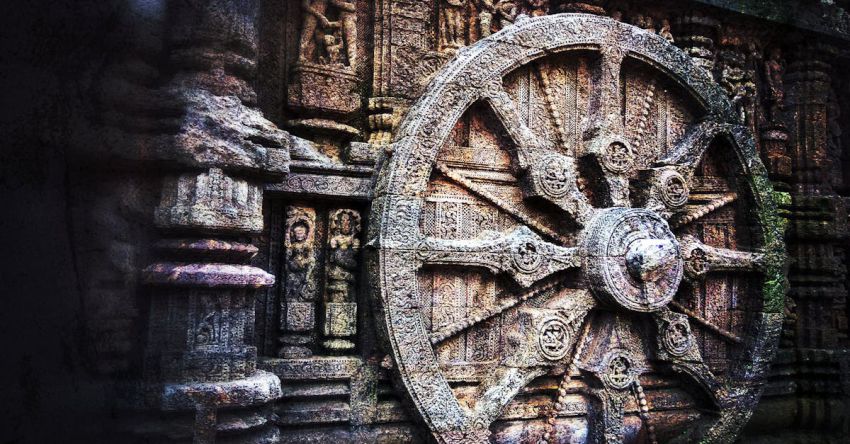
India is a land of diverse cultures, traditions, and customs. The country’s rich history and deep-rooted traditions have given rise to a wide array of unique customs that are practiced across different regions. From colorful festivals to elaborate rituals, India’s customs are a reflection of its vibrant heritage. Let’s explore some of the most fascinating and distinctive customs that make India truly one-of-a-kind.
The Festival of Colors – Holi
One of the most popular and vibrant festivals in India is Holi, also known as the Festival of Colors. Celebrated every spring, Holi is a joyous occasion where people come together to smear each other with colored powders and water. This colorful celebration is a way of ushering in the arrival of spring and bidding farewell to winter. The festive atmosphere during Holi is infectious, with music, dance, and delicious traditional sweets adding to the revelry.
The Sacred Ritual of Diwali
Diwali, the Festival of Lights, is another significant custom in India that holds great religious and cultural importance. Celebrated by millions of people across the country, Diwali is a time for families to come together, light oil lamps, burst firecrackers, and exchange gifts. The festival symbolizes the victory of light over darkness and good over evil. The sight of homes adorned with colorful lights and intricate rangoli designs during Diwali is truly mesmerizing.
The Intricate Art of Mehendi
Mehendi, or henna tattooing, is a traditional custom in India that is deeply rooted in its culture. Mehendi involves applying intricate designs made from henna paste on the hands and feet of women during special occasions like weddings, festivals, and religious ceremonies. The art of mehendi is considered auspicious and is believed to bring good luck and prosperity. The elaborate patterns and designs created using henna are not only beautiful but also hold symbolic meanings that vary from region to region.
The Sacred Thread Ceremony – Upanayanam
Upanayanam, also known as the Sacred Thread Ceremony, is a significant custom observed by the Hindu community in India. It is a rite of passage for young boys, marking their formal entry into student life and the beginning of their education in Vedic scriptures. During the ceremony, the boy is initiated into the sacred thread, known as the janeu, which symbolizes his readiness to pursue knowledge and uphold his family’s traditions. Upanayanam is a solemn and sacred ritual that is considered a pivotal moment in a boy’s life.
The Traditional Art of Rangoli
Rangoli is a traditional art form in India that involves creating intricate patterns and designs on the floor using colored powders, rice grains, flower petals, or colored sand. Rangoli is often made outside homes and temples as a way to welcome guests and bring good luck. The designs range from simple geometric patterns to elaborate motifs inspired by nature, mythology, and religious symbols. Rangoli is not just a form of decoration but also a way to express creativity and spirituality.
The Practice of Yoga and Meditation
Yoga and meditation are ancient customs that have originated in India and have gained worldwide popularity for their numerous health benefits and spiritual significance. Yoga is a holistic practice that combines physical postures, breathing techniques, and meditation to promote overall well-being and inner peace. Meditation, on the other hand, is a practice of mindfulness and introspection that helps individuals achieve mental clarity and emotional balance. Both yoga and meditation are integral parts of India’s cultural heritage and continue to be practiced by people around the globe.
In conclusion, India’s unique customs and traditions are a testament to the country’s rich cultural tapestry. From colorful festivals to sacred rituals, each custom reflects the diversity and depth of India’s heritage. These customs not only add to the vibrancy of Indian culture but also serve as a means of preserving and passing on age-old traditions from one generation to the next. Embracing and celebrating these customs is a way to honor India’s past while embracing its future.