What Are the Unique Festivals of Indigenous Cultures
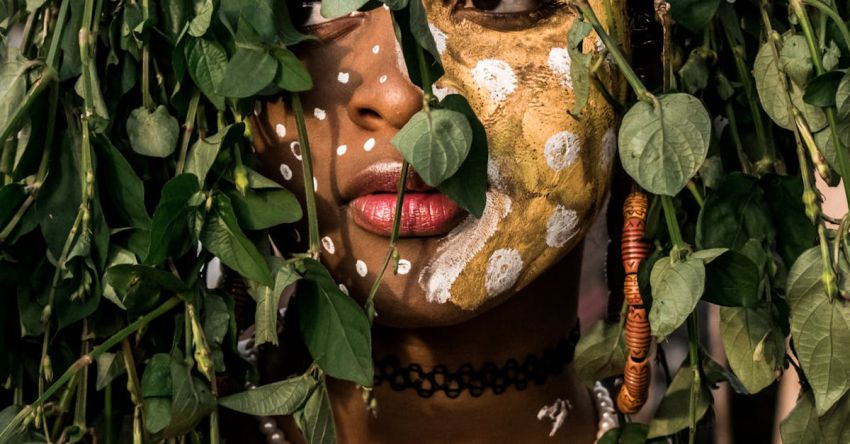
For centuries, indigenous cultures around the world have celebrated their unique festivals that hold deep cultural and spiritual significance. These festivals are not just events but are a way of life, connecting communities with their traditions, ancestors, and the natural world. From elaborate ceremonies to vibrant dances, these festivals are a window into the rich tapestry of indigenous heritage. Let’s delve into some of the most unique festivals celebrated by indigenous cultures globally.
**Day of the Dead (Dia de los Muertos)**
One of the most well-known indigenous festivals is the Day of the Dead, celebrated primarily in Mexico but also observed in other Latin American countries. This festival, with its origins dating back thousands of years to pre-Columbian times, is a vibrant and colorful celebration to honor deceased loved ones. Families create altars adorned with marigolds, candles, photographs, and favorite foods of the departed to welcome their spirits back to the earthly realm. It is a time of remembrance, reflection, and celebration of life and death as intertwined aspects of existence.
**Inti Raymi**
In the Andean region of South America, particularly in Peru, the Inca festival of Inti Raymi pays homage to the sun god, Inti. This ancient festival takes place during the winter solstice and involves elaborate ceremonies, traditional music and dance performances, and offerings to the sun. Inti Raymi is a celebration of the Inca heritage and the connection between the natural world and human beings. It is a time to express gratitude for the sun’s life-giving energy and to seek blessings for the upcoming harvest.
**Pow Wow**
Among Native American tribes in the United States and Canada, the Pow Wow is a grand gathering that brings together different indigenous communities to celebrate their cultures through dance, music, and storytelling. Pow Wows feature colorful regalia, intricate dances, drum circles, and traditional foods. These events are not only a display of cultural pride but also serve as a way to pass down traditions to younger generations and foster unity among tribes. Pow Wows are vibrant spectacles that showcase the diversity and resilience of indigenous peoples.
**Obon Festival**
In Japan, the Obon Festival is a Buddhist event that honors the spirits of ancestors. During this festival, families clean gravesites, light lanterns to guide the spirits back home, and participate in traditional Bon Odori dances. The Obon Festival is a time of reflection, gratitude, and connecting with one’s roots. It is believed that during this period, the spirits of ancestors visit the earthly realm, and families come together to welcome them with offerings and prayers.
**Garifuna Settlement Day**
Celebrated in Belize and other Central American countries, Garifuna Settlement Day commemorates the arrival of the Garifuna people in the region. This festival includes traditional drumming, dancing, and reenactments of the Garifuna arrival. It is a time to honor the resilience and cultural heritage of the Garifuna community, who are descendants of African and Indigenous Caribbean peoples. Garifuna Settlement Day is a lively celebration of identity, history, and unity among the Garifuna people.
**Land Diving (Nagol)**
In Vanuatu, an island nation in the South Pacific, the Land Diving festival, known as Nagol, is a daring and exhilarating event that involves men leaping from tall wooden towers with vines tied to their ankles. This ancient ritual is believed to ensure a bountiful yam harvest and demonstrate courage and strength. Land Diving is a thrilling spectacle that showcases the traditional practices and beliefs of the indigenous people of Vanuatu.
**Conclusion: Celebrating Diversity and Heritage**
In conclusion, the unique festivals of indigenous cultures offer a glimpse into the rich tapestry of traditions, beliefs, and practices that have been passed down through generations. These festivals are not only celebrations but also serve as a way to preserve cultural identity, foster community bonds, and honor the connection between humans and the natural world. From Mexico to Vanuatu, indigenous festivals reflect the diversity and resilience of indigenous communities worldwide, highlighting the importance of preserving and celebrating heritage in an ever-changing world.